An outdated or unreliable phone system costs small businesses more than the price of a monthly bill — dropped calls, missed leads, and hard-to-replace hardware can translate directly into lost revenue. Businesses that upgrade to hosted VoIP in Atlanta may offset the cost of a new system through improved call reliability, easier routing, remote access, and fewer hardware-related expenses.
Every other post in this series has focused on what hosted VoIP costs to buy. This one flips the question around: what does it cost to keep the phone system you already have?
For many Atlanta small businesses, that’s the number nobody has actually calculated — and it can be larger than the price of switching.
The Real Cost of a Missed Call
Phone calls remain an important way for small businesses to generate and close business, whether that’s a homeowner calling about a heating repair, a client calling a law office to schedule a consultation, or a church member calling an administrative office.
When a call doesn’t connect because of a dropped line, full voicemail box, or outdated routing system, it isn’t simply a technical inconvenience. It can become a missed sales opportunity.
Most owners don’t track this number because it doesn’t appear as a separate expense on a profit-and-loss statement.
A useful starting point is to estimate what an average new customer is worth and then consider how many calls each month may fail to connect with the right person.
Even one or two missed opportunities a month can potentially exceed the monthly difference between a legacy phone system and a modern hosted VoIP plan.
Signs Your Current Phone System Is Costing You Money
Several patterns show up consistently in businesses that eventually decide to upgrade:
- Calls dropping or disconnecting mid-conversation, particularly when older infrastructure experiences reliability problems.
- Voicemail or call routing that hasn’t been updated, sending customers to a dead extension or former employee’s mailbox.
- No way for remote or field staff to receive office calls, forcing customers to leave messages instead of reaching someone directly.
- A system that can’t scale easily, where adding a new employee requires additional physical equipment or technical work.
- Limited reporting, making it difficult to understand missed calls, call volume, or employee response patterns.
- Outdated hardware, with replacement parts becoming increasingly difficult to source.
If more than one of these sounds familiar, the system may be creating ongoing costs that aren’t obvious on the monthly phone bill.
Hardware Replacement Costs for Aging On-Premise Systems
Beyond missed calls, there’s another cost waiting in the wings: what happens when the hardware fails?
On-premise PBX systems have a useful lifespan. As systems age, manufacturers may discontinue support and replacement parts can become harder to find.
When something breaks on an older system, a business may face a choice between paying for a specialty repair and replacing the entire system under time pressure.
That is a considerably worse position than proactively evaluating replacement options while the existing system is still functioning.
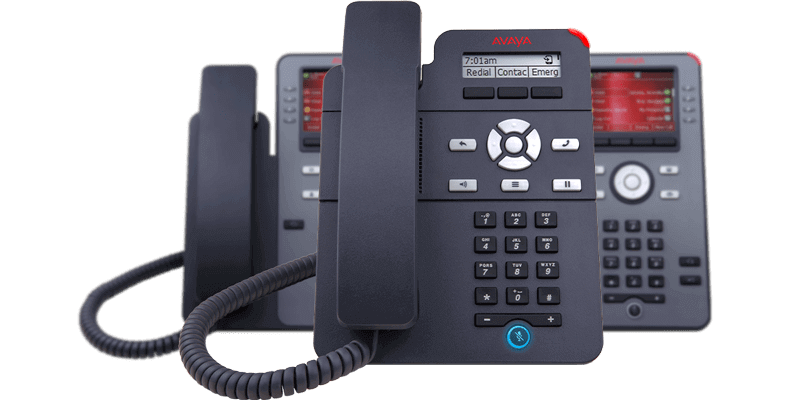
Businesses that have operated the same Avaya or legacy phone system for many years may find that the system was a good investment when it was installed but is becoming increasingly expensive to maintain.
For organizations evaluating an Avaya-based cloud alternative, Lanstar Voice & Data, LLC’s Avaya Cloud Office service provides another option for moving communications into a hosted environment.
Productivity Costs: Slow Changes, No Remote Access
There’s also a cost category that doesn’t show up as a phone bill: the time and friction created by an outdated system.
Adding Employees Can Take Longer
Adding a new employee to an on-premise system may require technical configuration, new hardware, or even a technician visit.
A cloud-based system can make adding users significantly more flexible, depending on the platform and provider.
Updating Call Routing Can Be Complicated
Holiday schedules, new departments, changed business hours, and temporary routing requirements can require technical assistance on older systems.
Modern hosted systems can provide administrators with more control over call flows and routing.
Remote Employees May Be Difficult to Reach
Employees working from home, traveling between job sites, or operating from different Atlanta-area locations may not be reachable through the company’s office number.
That can push employees toward personal cell phones and create fragmented call records, voicemail, and customer communication.
A hosted phone system can allow employees to use business calling features from compatible mobile or remote devices, depending on the selected plan.
Calculating Your Break-Even Point on a VoIP Upgrade
A simple way to determine whether an upgrade makes financial sense is to compare the monthly cost difference between the existing system and a hosted VoIP proposal against the value of additional customers that may be retained through better call handling.
For a five-person office, the difference between an aging landline setup and hosted VoIP may be approximately $100–$150 per month, depending on the specific systems and services involved.
For example, if one additional customer each month generates more than $150 in profit, retaining that customer could potentially offset the monthly difference.
The calculation becomes even more favorable when reduced maintenance, easier scaling, improved remote access, and fewer hardware expenses are included.
For a detailed comparison of traditional phone expenses and hosted VoIP, see the guide to hosted VoIP vs. landline costs in Atlanta.
The Case for Upgrading Now vs. Waiting
The instinct to wait until a phone system completely fails before replacing it is understandable.
It can also create unnecessary pressure.
A full system failure means making a replacement decision quickly, potentially with fewer vendor choices and limited time to compare pricing, features, and migration requirements.
Businesses that upgrade proactively can evaluate their options while the existing system is still operational.
That allows time to:
- Compare providers
- Review available platforms
- Determine which numbers need to be ported
- Evaluate existing hardware
- Plan employee training
- Schedule the migration
- Minimize potential downtime
The cost of hosted VoIP can also be estimated in advance. For a breakdown of the factors that affect monthly per-user pricing, review the guide to hosted VoIP pricing per user in Atlanta.
What an Upgrade Can Replace
Moving away from an outdated system can do more than improve call quality.
A modern hosted solution may replace or reduce the need for:
- Aging on-premise PBX hardware
- Expensive hardware repairs
- Physical line additions
- Complicated remote-access solutions
- Separate systems for multiple locations
- Manual call-routing changes
- Some long-distance charges
Instead, the business typically moves toward a recurring service model based on users, features, and selected communications services.
For Atlanta businesses considering a broader communications upgrade, Lanstar Voice & Data, LLC offers hosted phone and business communications solutions designed around individual business requirements.
Next Step: Get a Budget-Ready Quote
If an aging phone system is creating dropped calls, missed opportunities, hardware concerns, or productivity problems, the next step doesn’t have to be an immediate commitment.
A business can start by documenting its current system costs and identifying the problems that need to be solved.
Lanstar Voice & Data, LLC helps Atlanta and North Georgia businesses evaluate their existing phone systems and consider modern communications options based on their users, calling requirements, and operational needs.
A budget-ready comparison should include both the cost of upgrading and the potential cost of continuing to operate an aging system.
Frequently Asked Questions
How much does a missed business call cost?
It varies by business and customer value, but even a few missed calls each week can represent lost revenue. Businesses can estimate the potential impact by multiplying the average profit from a new customer by the number of calls that may be lost or mishandled.
Is it worth upgrading an old phone system?
For many small businesses, upgrading can make financial sense when the existing system has high maintenance costs, poor reliability, limited remote access, or difficulty scaling. The decision should be based on a comparison of current costs, upgrade costs, and expected operational benefits.
What are signs my phone system needs replacing?
Common warning signs include frequent dropped calls, outdated hardware, difficulty finding replacement parts, limited remote-work support, complicated feature changes, and problems adding users or locations.
Final Takeaway
The cost of an outdated phone system isn’t limited to the monthly service bill.
Missed calls, poor routing, hardware repairs, limited remote access, and lost productivity can quietly create a much larger expense. For an Atlanta small business, identifying those costs can make it easier to determine whether continuing with an aging system is actually cheaper than upgrading.
A modern hosted VoIP solution can provide predictable recurring costs while improving flexibility, scalability, and access to business calling features. The right choice depends on the existing system, number of users, required features, and the cost of missed opportunities.